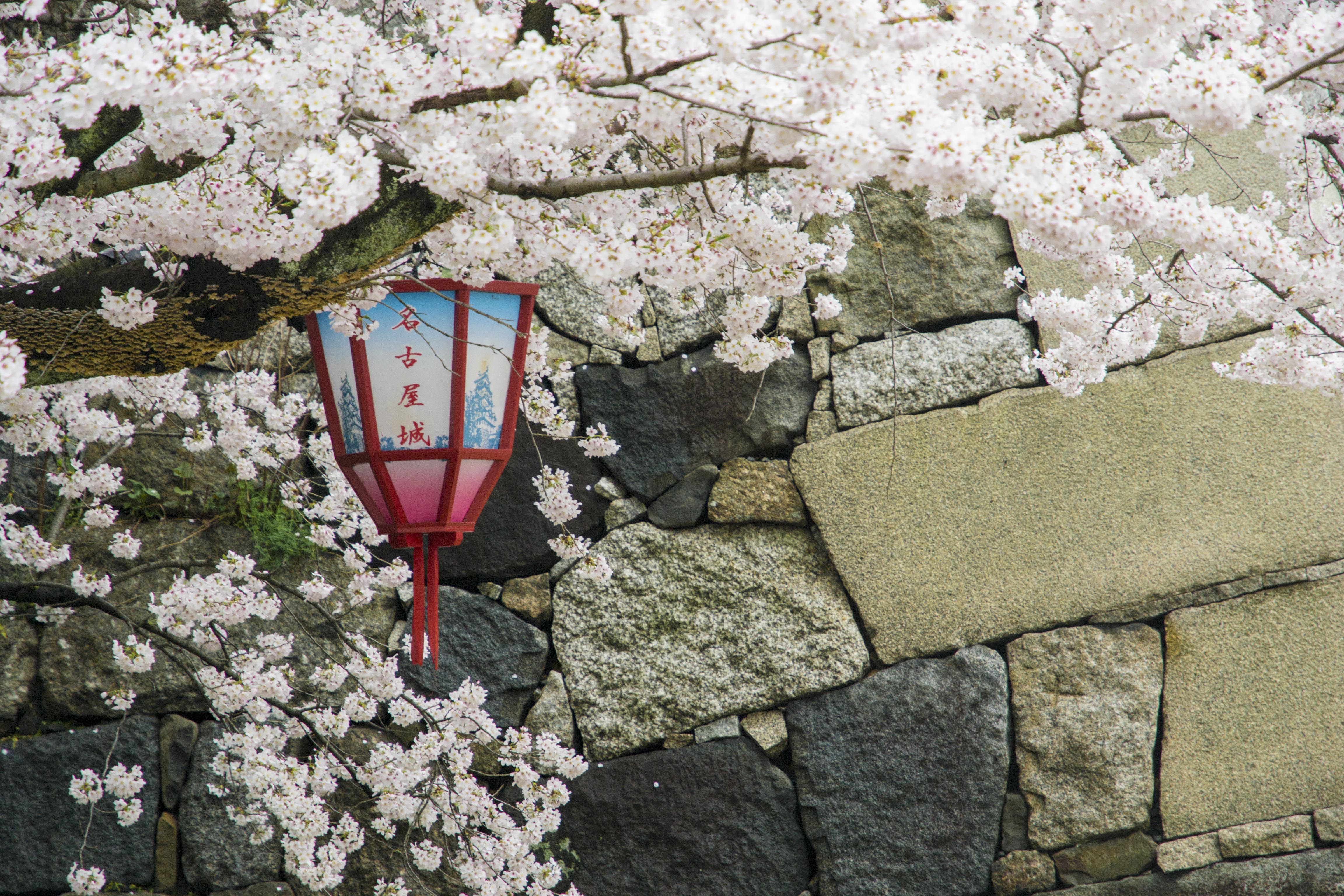
Het seizoen van de sakura, de Japanse kersenbloesem, is aangebroken. In het land van de rijzende zon worden de tempels overspoeld. Maar wat gebeurt er allemaal bij zo’n tempelbezoek? En wat is hanami?
Deze tekst is uitzonderlijk in het Engels, omdat ik hem oorspronkelijk voor een internationaal medium heb geschreven. Een vertaling komt er nog aan. Mijn excuses en een bloemetje 😉
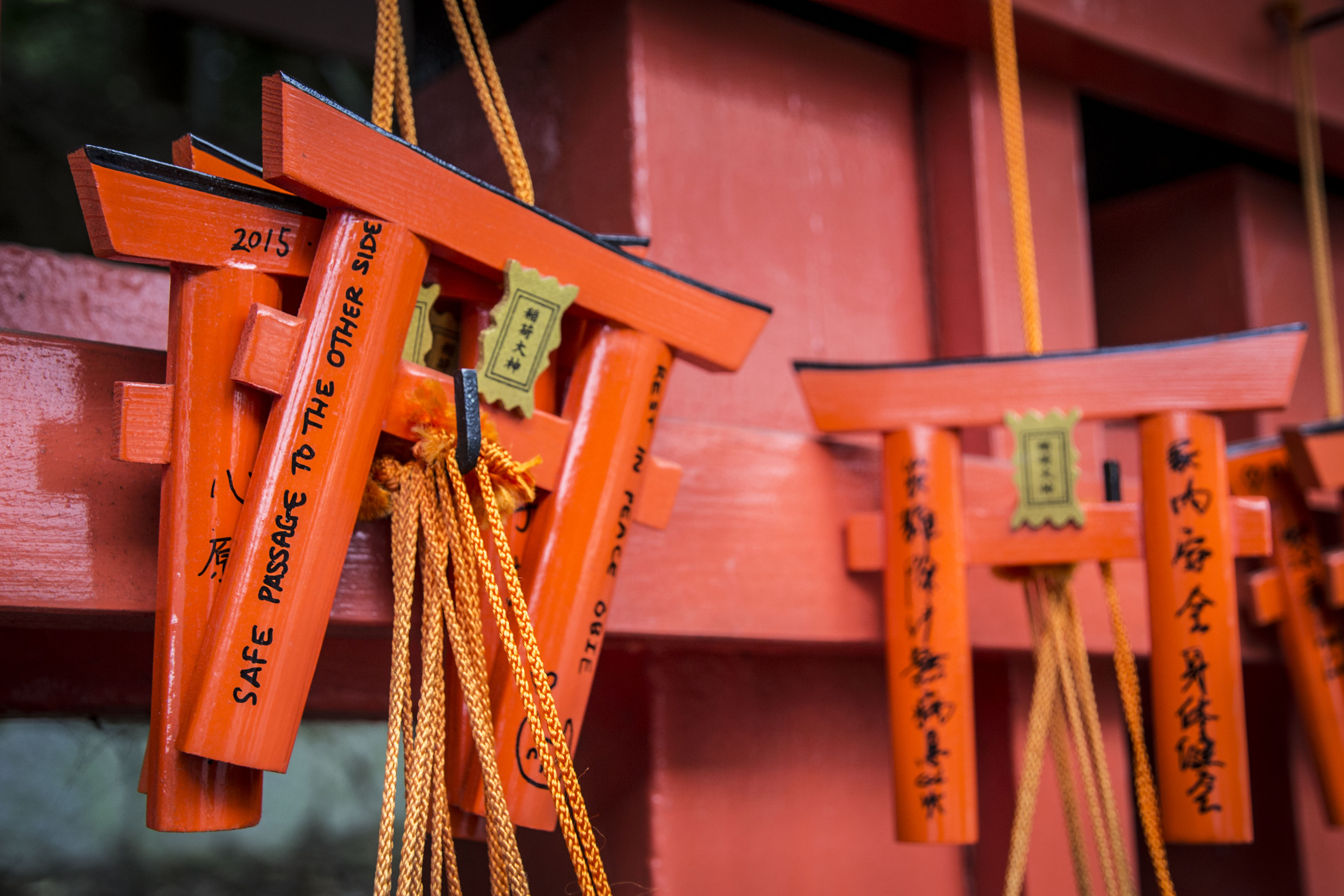
Every temple and shrine has its own “ema”. An ema is a wooden plaque on which you can write your prayer, and is usually decorated with the symbol of that temple/shrine. This here is a very atypical ema, shaped like a tori, since it’s from the shrine of 10.000 torii.
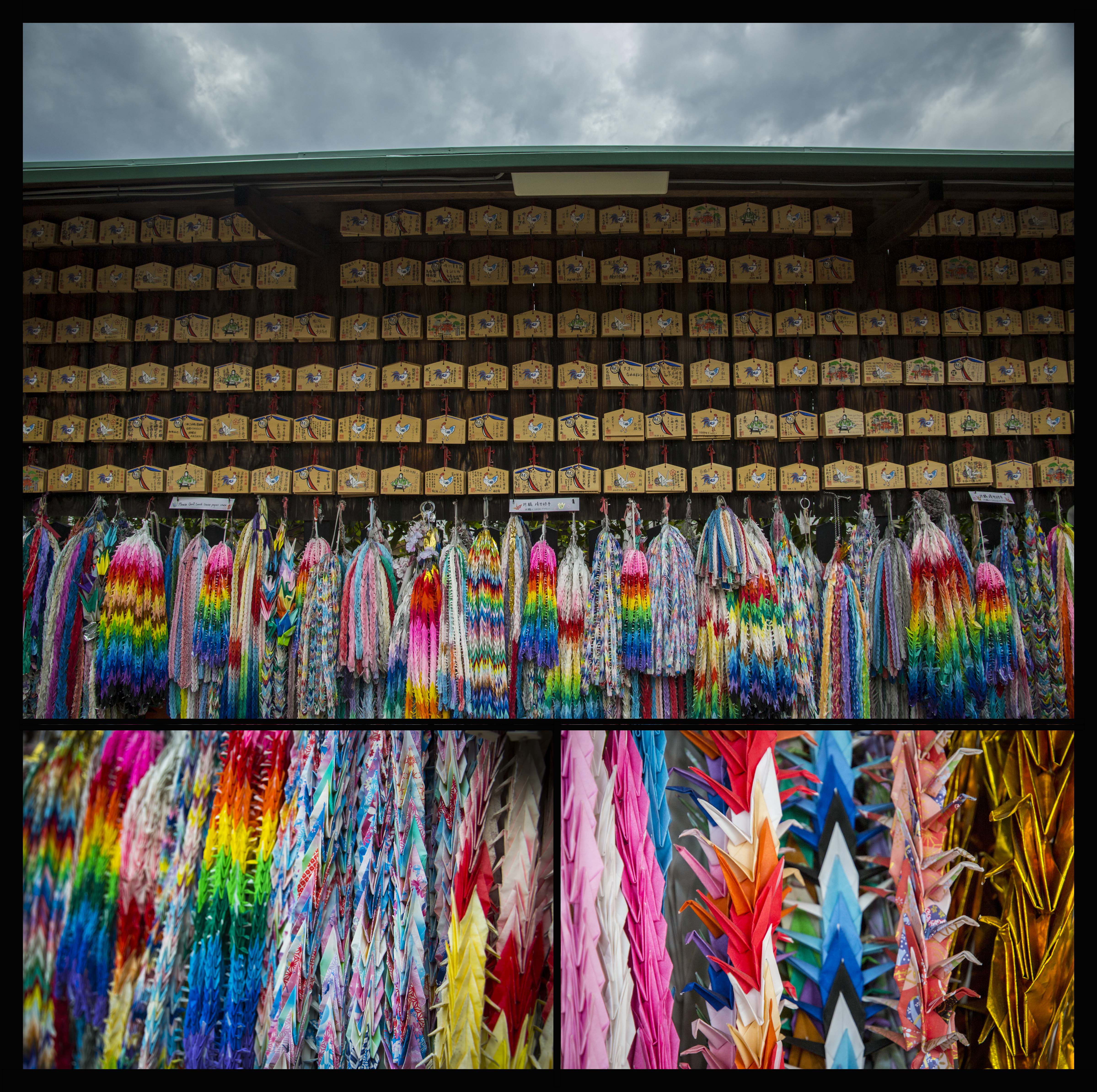
After buying and customizing your ema, you can hang it up at the shrine, for the local gods to see and fulfil your wishes. The ema has become very popular among tourists and you can see prayers in all languages hanging around the temples.
Under the more typical emas, you can see a rather rare sight: dozens and dozens of colourful, paper slings. Each and every one contains exactly 1000 origami crane birds. There is a belief in Japan that when a person is sick, you can help them by personally folding 1000 cranes and hanging the sling at a temple or shrine that’s dedicated to a healing god/spirit. When the paper gets damaged by the rain, you have to start again. Your efforts are said to please the gods and make them favourable towards your ill.
Apart from emas, temples and shrines also have rows of paper leafs tied to racks. They are fortunes, that you can buy from the Miko (shrine maiden). Usually, there are boxes containing numbered sticks at temples. Only one stick can come out, so you have to shake well, like you see on the picture. One you have a stick, you can go to the Miko with your number. She then gives (or sells) you a little note corresponding with your number: the fortune that destiny has chosen for you.
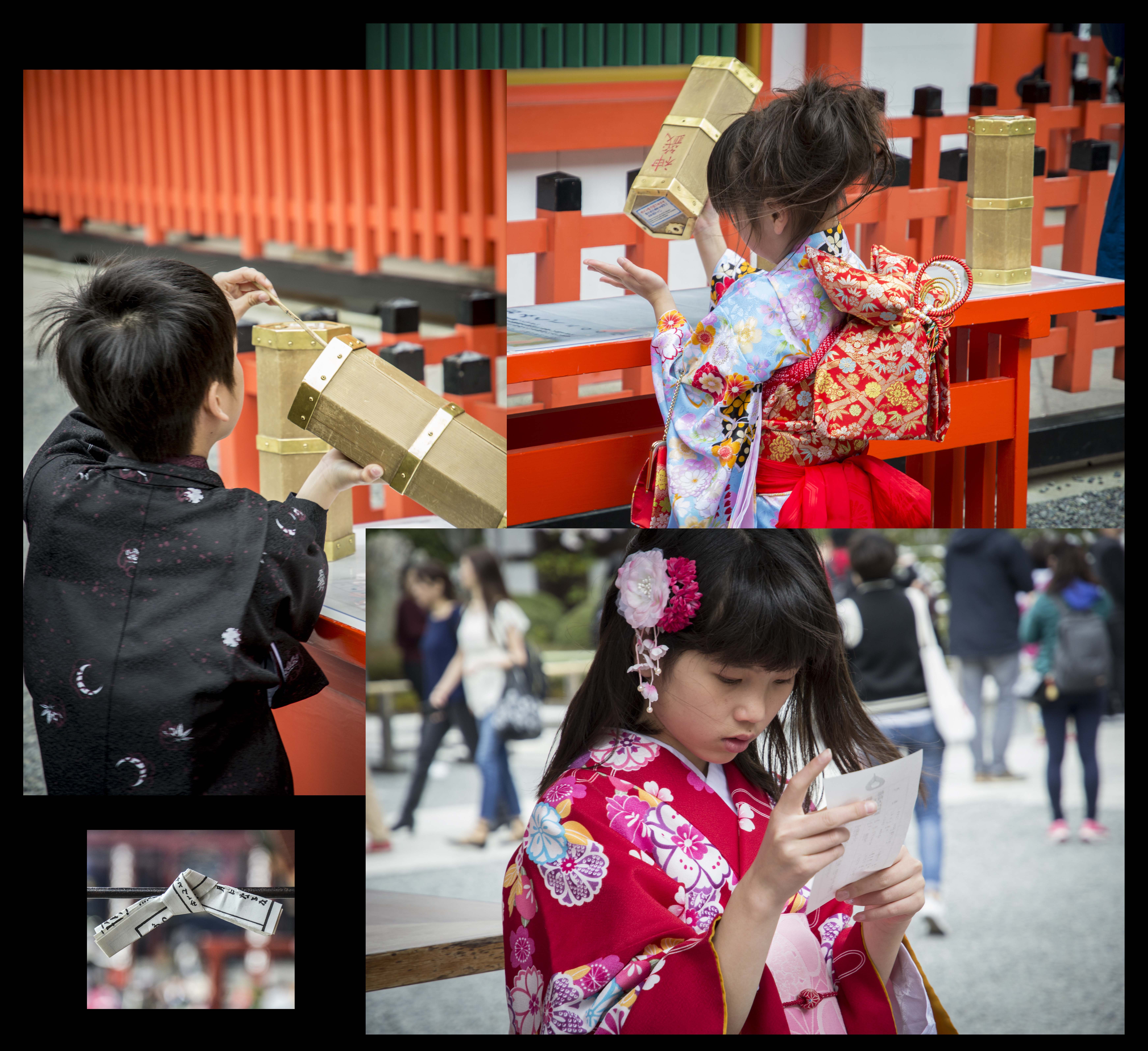
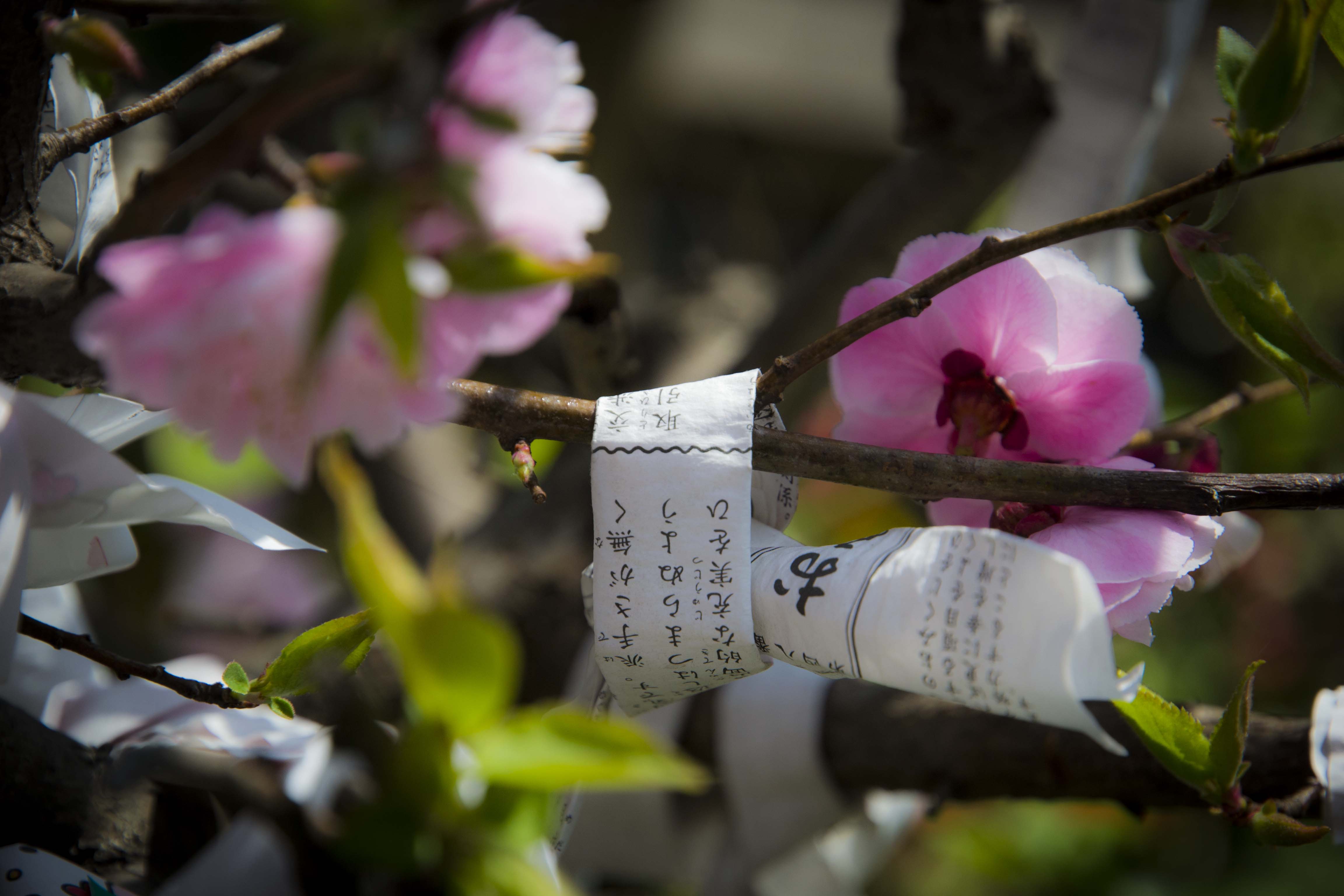
A fortune can be good or bad. If you get a good one, you want to hold on to it and keep it close, but nobody wants to keep a bad fortune. That’s why they are tied at racks or at tree branches on the temple grounds, with the hope of the bad fortune being taken away by the gods. Children however, sometimes sneak their bad fortunes away in the bag of a classmate or something, as a tease, since it’s believed that you can’t “give back” bad fortune and the victim has to pass it on to get rid of it.
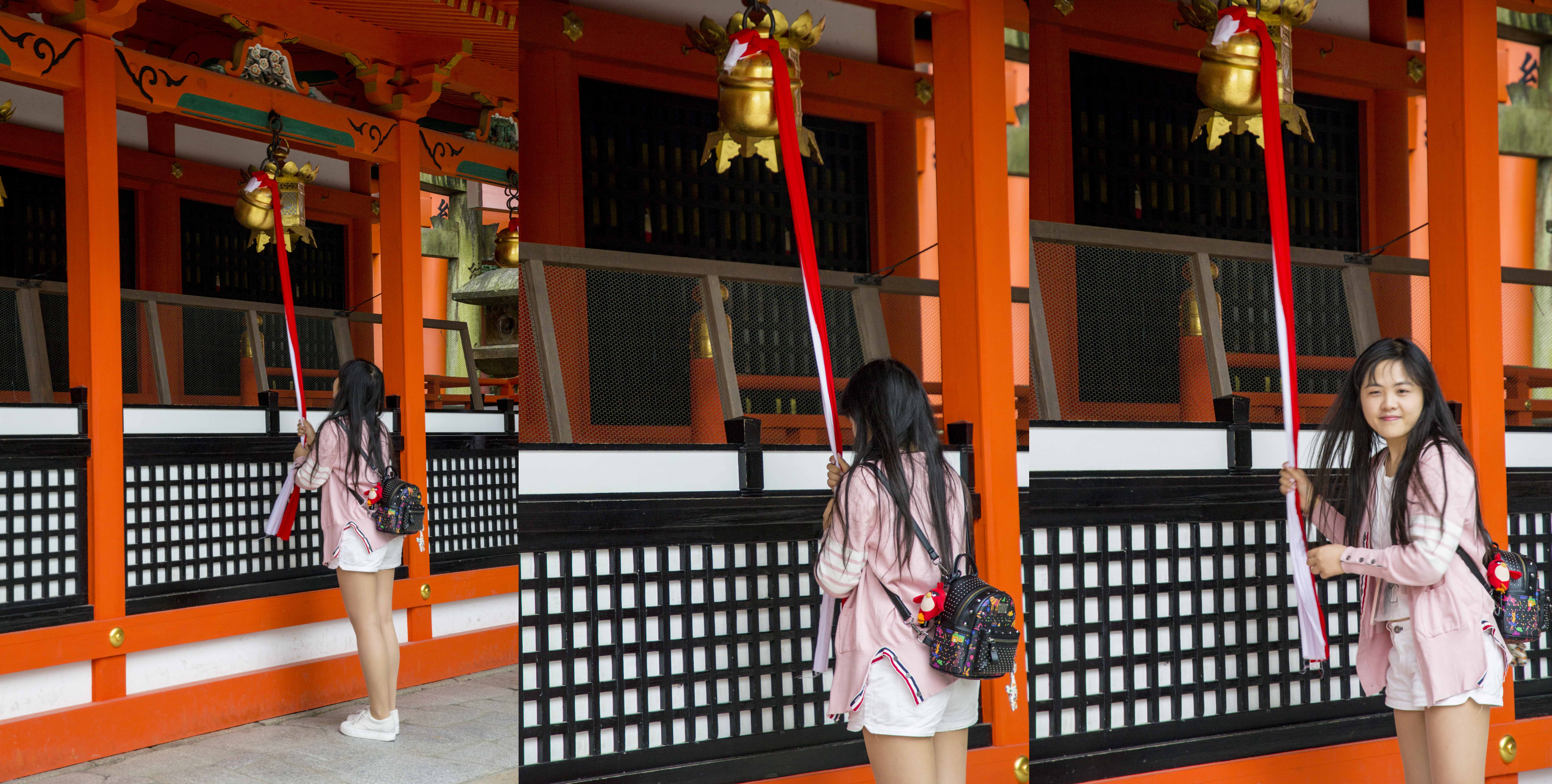
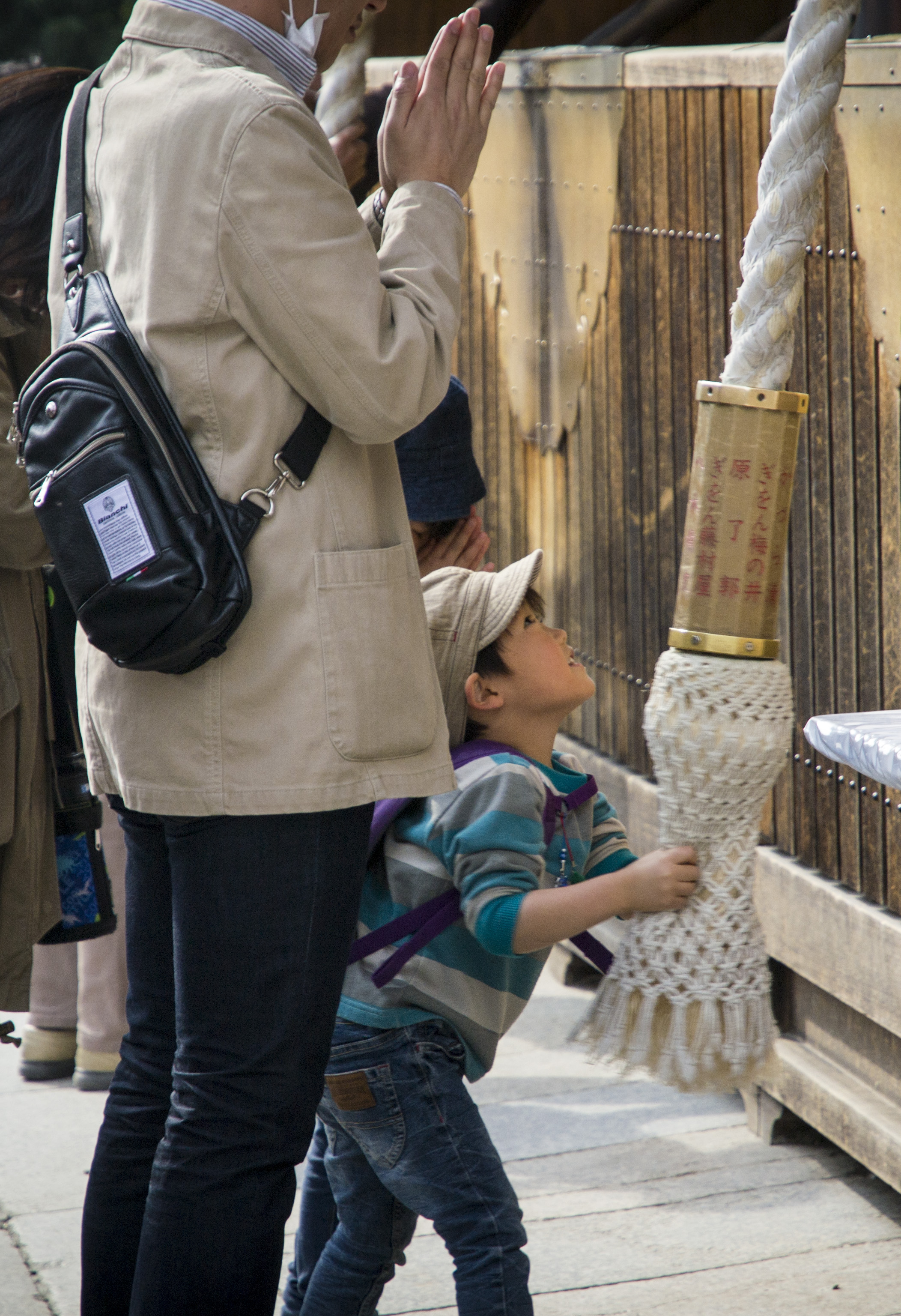
Every temple, even the tiny ones tucked away in little alleys, has at least one prayer bell. You come forward, throw some money as an offering, ring the bell, clap your hands two times, and pray.
Children often love making a big fuss of ringing the bell.
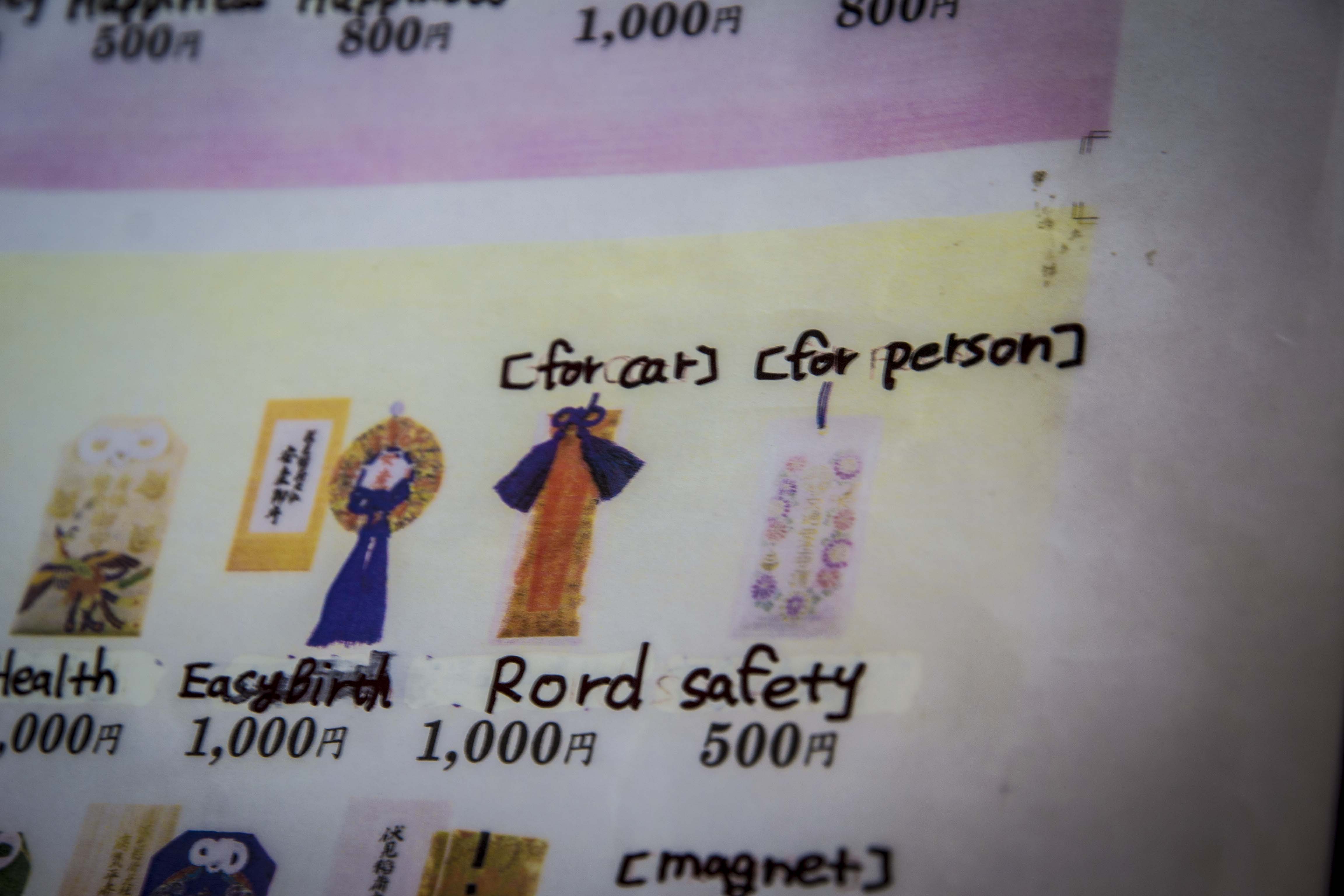
You can buy charms that are specific for each temple, usually with a drawing of the temple spirit on them. There are charms for everything, and since they’re a popular souvenir for tourists, there’s often a chart with an English translation. Classics are charms for good health, success during exams, a loving marriage, and road safety (you can hang the charm from your rearview mirror). This place has road safety charms for your cat
Probably the most famous shrine in Japan: the Fushimi Inari Taisha, or shrine of 10.000 torii. The shrine was built to honour the god Inari, god of many things, but mostly of rice. Around the premises, there are many depictions of keys, said to be of the rice storehouse, and of foxes, since Inari’s favourite messengers were foxes. In the eating stalls surrounding the temple grounds, a lot of tofu is being sold. This also refers to the temple, because in Japanese folklore, foxes love treats and are especially fond of tofu.
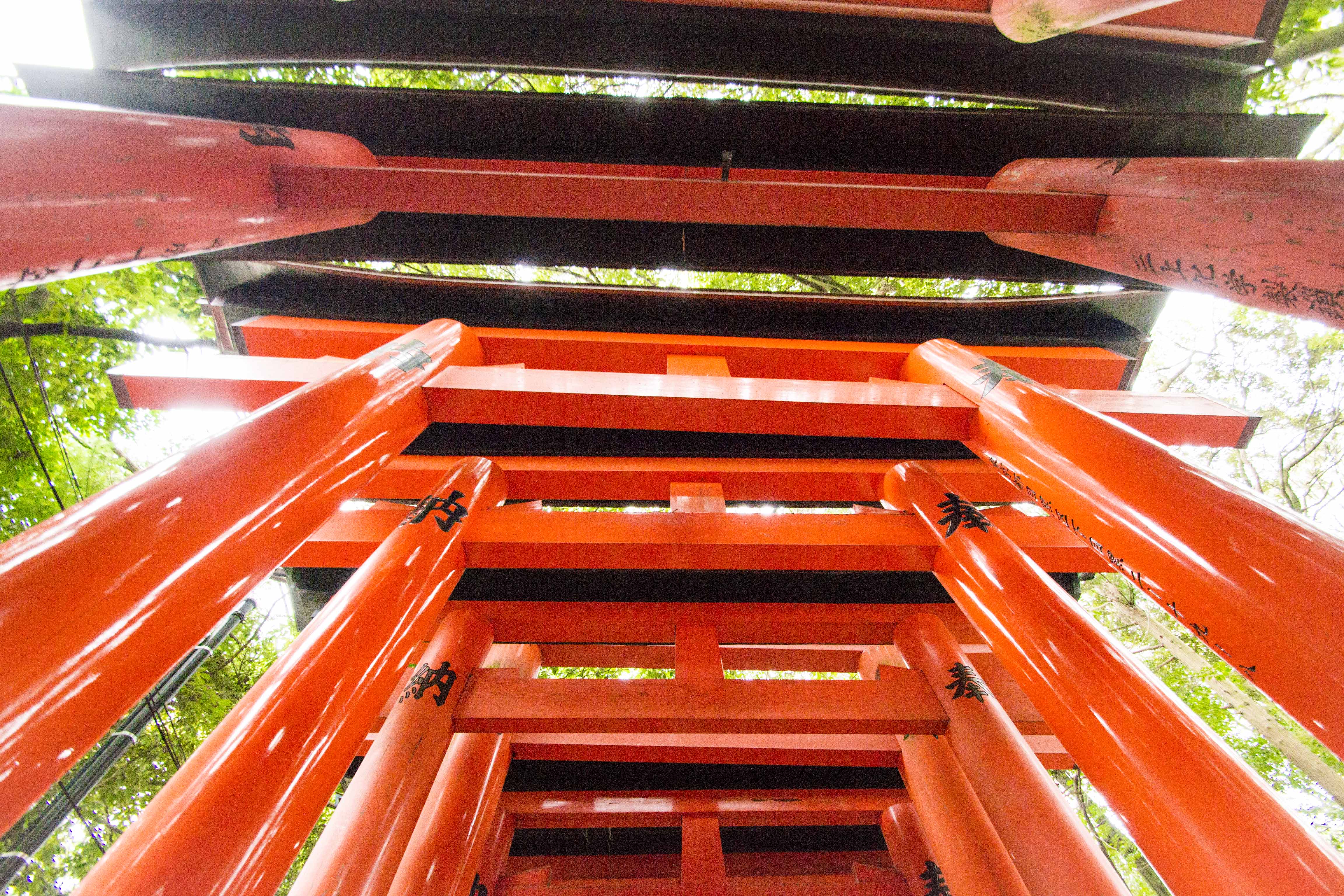
The opening part of the shrine has torii that are 3-5 meters high. Every now and then, there’s a concrete tori, as you can see on the picture, but most of the tori are the traditional orangy red. This bright colour is so disliked by evil spirits that many shrines and places of honour in Japan are painted in it.
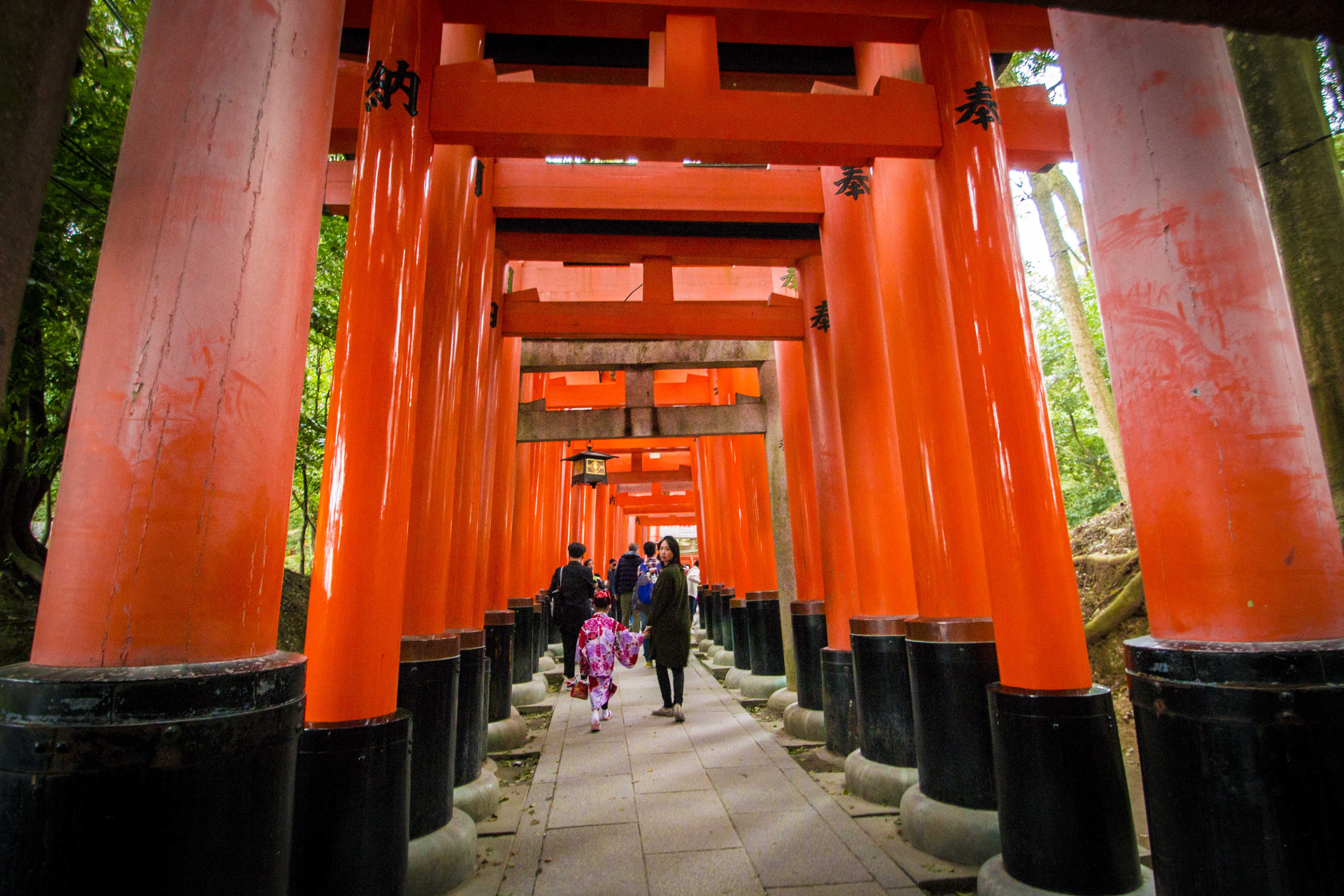
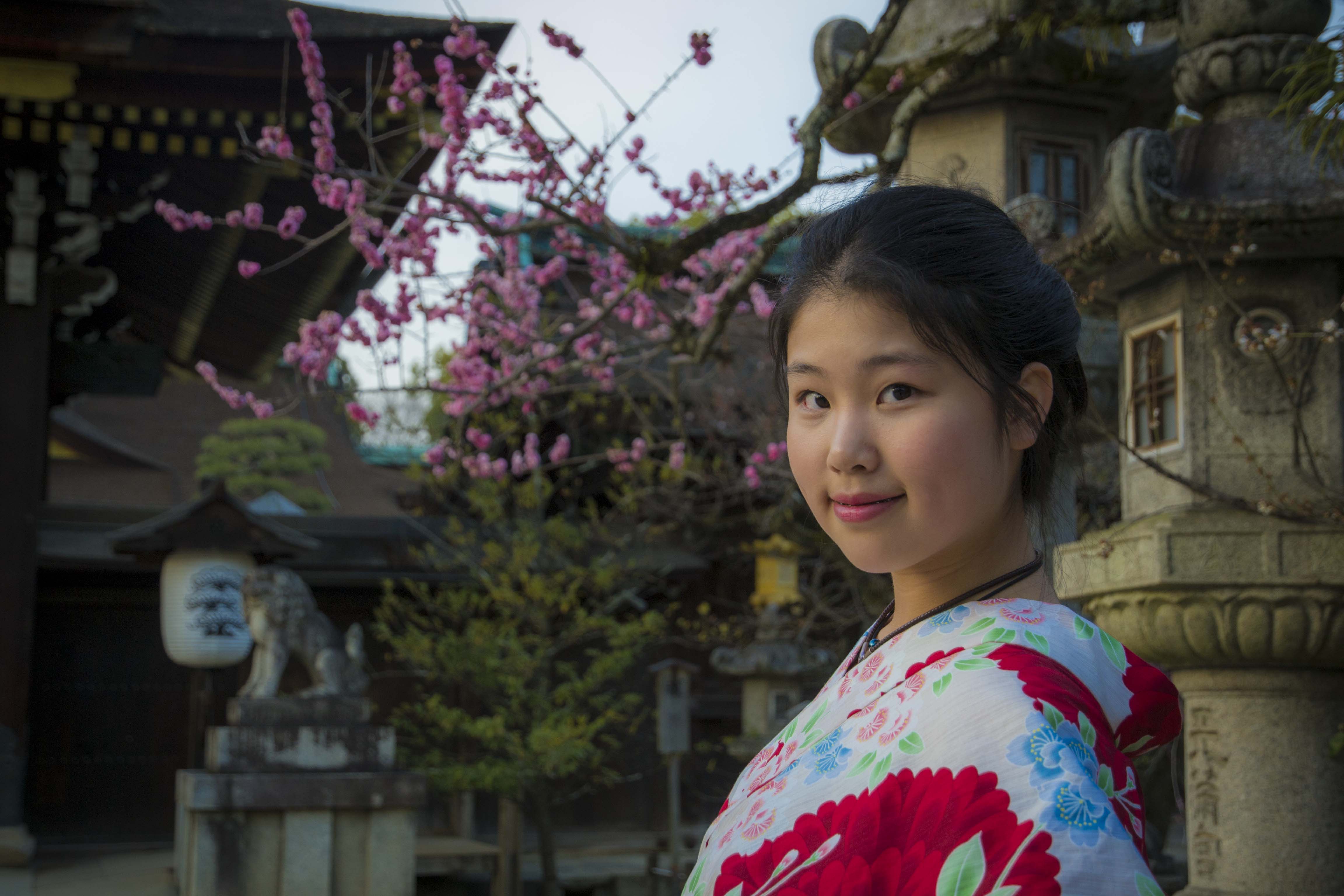
Most of the torii are however only about 2 meters. The Fushimi Inari Taisha is located in Kyoto, where the rental of kimonos by tourists is very popular, so you can see many geishas prancing through the tori.
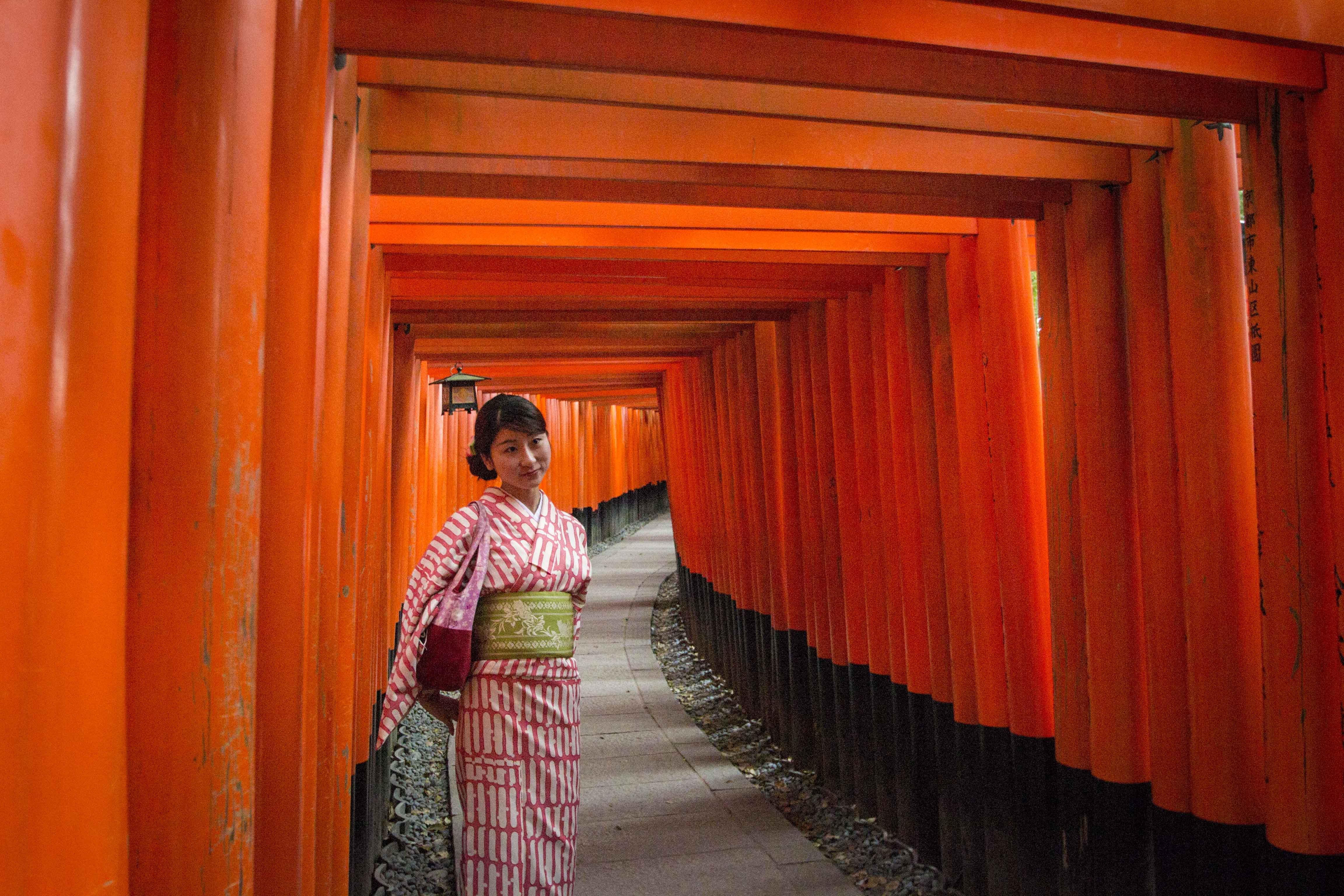
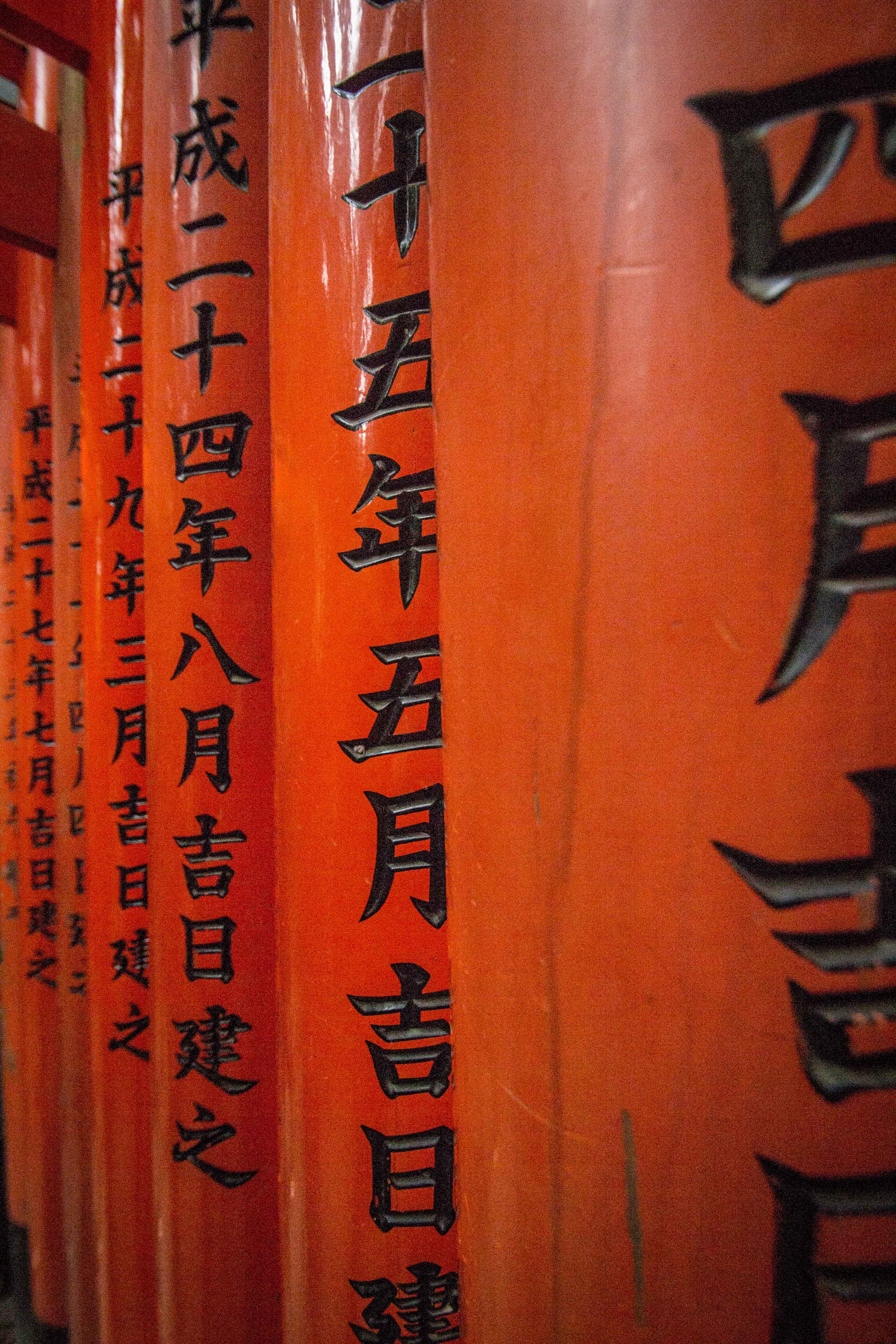
Inari is, apart from the god of rice, also a patron of business. To honour Inari, businesses across Japan have donated a tori gate. In return, the name of that business is written on the back of each tori, along with its donation date.